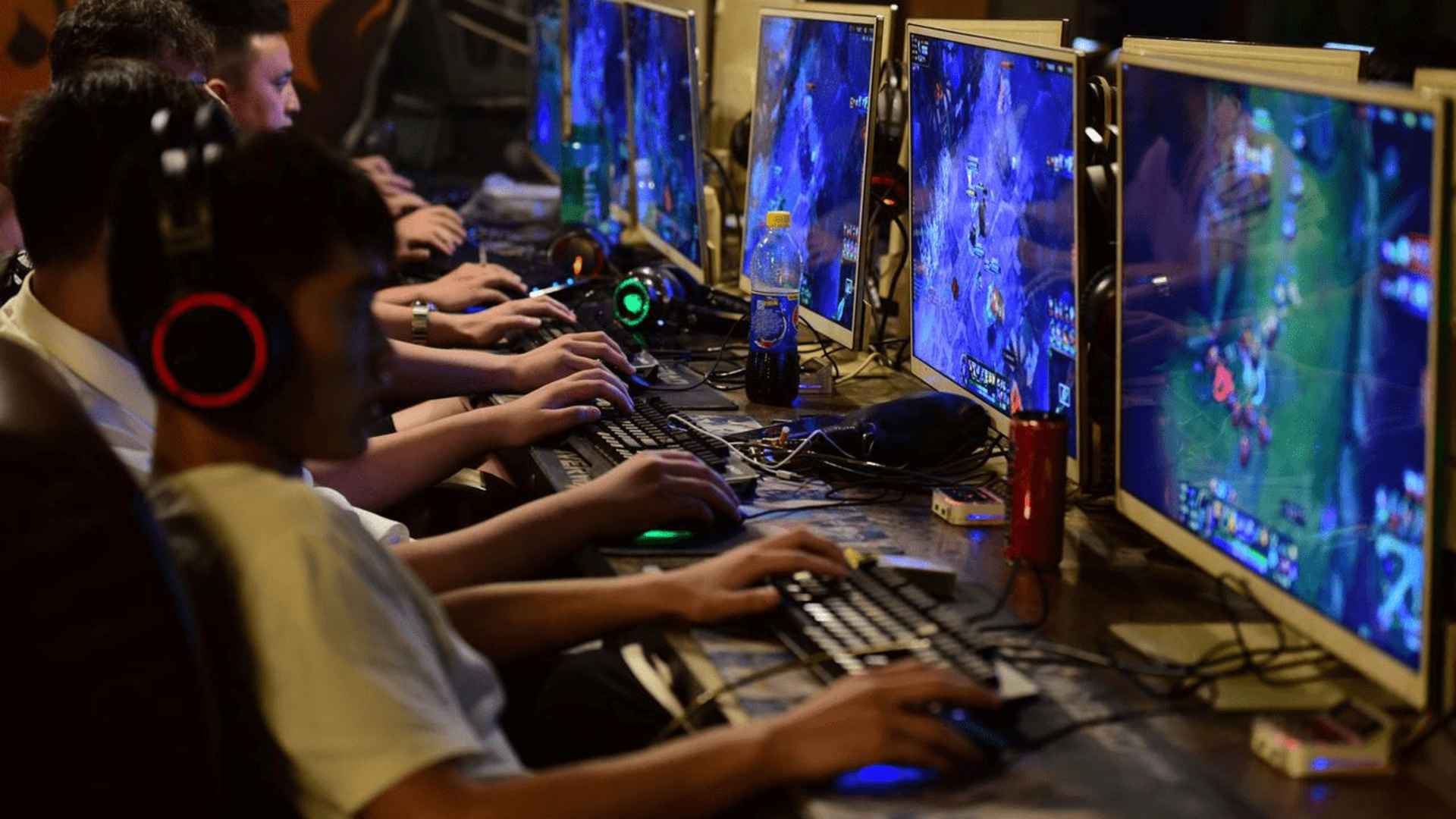
Integrating games of chance into classrooms has revolutionized how students perceive complex mathematics. By transforming theoretical equations into interactive challenges, these tools foster deeper intellectual engagement. Educators worldwide increasingly leverage these activities to build foundational analytical skills early in life.
Demystifying Abstract Mathematical Concepts
Probability calculations often feel intimidating to young learners when presented through static textbooks. Interactive dice and card mechanics allow students to witness statistical distributions in action rather than memorizing dry formulas. This active visualization builds a permanent conceptual framework for understanding randomness and independent events.
Furthermore, experimental learning helps students connect academic data with real-world scenarios naturally. When analyzing physical outcomes over repeated sessions, children develop an intuitive grasp of long-term frequencies. This structural approach removes academic anxiety and replaces it with a genuine curiosity for data science.
Developing Critical Decision-Making Capabilities
Modern gamification actively trains the human brain to process shifting risk architectures efficiently. Participants learn to separate emotional intuition from evidence-based reasoning when evaluating unpredictable environments. Making rapid tactical choices under uncertain conditions improves cognitive agility and sharpens everyday reasoning abilities.
To see these probability engines working in digital spaces, finding an interactive platform like login situs m88 can offer an interesting parallel to classroom tools. Observing how random number generation behaves inside virtual environments helps students contextualize modern algorithm designs. This practical experience empowers future decision-makers to evaluate risks objectively across various academic fields.
Encouraging Logical Risk Assessment
Understanding mathematical likelihood helps individuals evaluate potential outcomes with absolute clarity. Students learn that separate independent trials are completely unaffected by previous history, debunking common mental misconceptions early. Recognizing these structural truths guides learners toward forming realistic expectations during high-stress scenarios.
Moreover, active gameplay teaches children how to calculate expected value systems dynamically. They learn to evaluate potential rewards against the underlying risks before choosing a path forward. This analytical thinking pattern transforms into a valuable life skill that extends far beyond standard school walls.
Enhancing Long-Term Classroom Engagement
Traditional lectures frequently struggle to maintain high motivation levels among younger generations. Introducing healthy strategic competition naturally stimulates interest and keeps students focused for extended durations. Cooperative learning models encourage peer collaboration as teams debate statistical probabilities together.
Ultimately, turning education into an active adventure establishes a positive relationship with STEM disciplines. When pupils associate math problems with entertainment, their long-term knowledge retention improves significantly. Embracing these playful learning systems ensures a supportive educational landscape for diverse intellectual backgrounds.