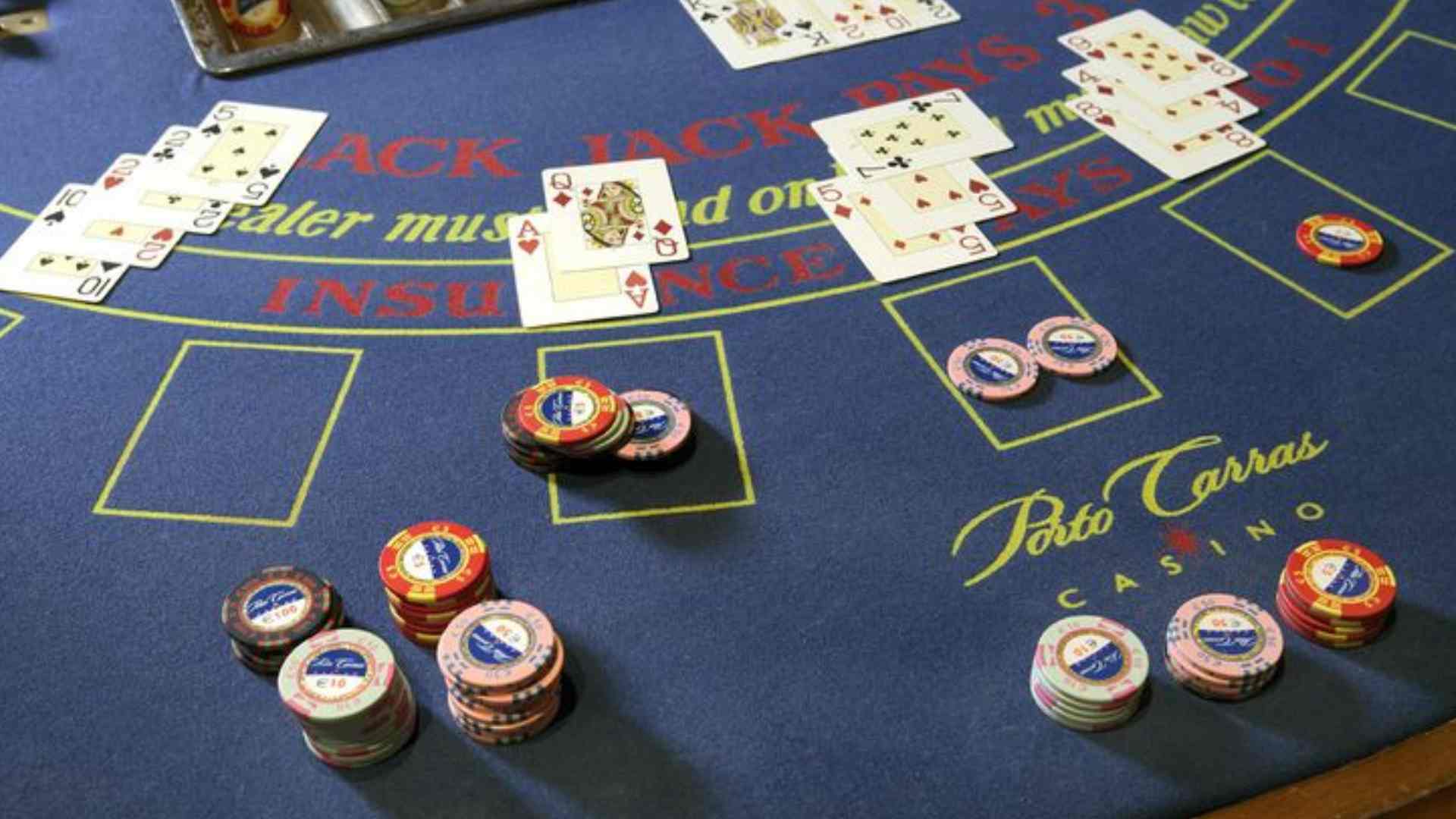
Randomness is often viewed as a simple tool to add uncertainty, but in modern game design, it frequently serves as the central foundation of player engagement. By injecting unpredictable outcomes into gameplay loops, developers can turn rigid mechanics into dynamic systems that encourage spontaneous strategy and creative problem-solving. Understanding how chance dictates the tempo and depth of an experience helps explain why procedural mechanics remain hugely popular across diverse genres.
The Shift From Deterministic Mechanics to Unpredictability
Traditional game mechanics often rely on strict, deterministic rules where the same input always guarantees the exact same output. While this creates a pure test of skill, it can eventually lead to repetitive play patterns that diminish long-term interest. Introducing chance forces players to adapt to shifting circumstances rather than memorizing fixed sequences.
This element of surprise shifts the player's mindset from passive execution to active decision-making under pressure. When the environment or resource availability changes unexpectedly, players must evaluate risk in real time. This constant assessment keeps every match feeling distinct and meaningful.
Leveling the Playing Field for Diverse Skill Levels
Random variables act as a natural equalizer when players of varying skill levels compete against each other. In purely skill-based environments, experienced players almost always dominate, which can discourage newcomers from continuing. A controlled degree of chance gives less experienced participants a fair opportunity to secure memorable victories.
Many modern online entertainment platforms utilize dynamic chance mechanisms to maintain widespread appeal across various demographics. Popular gaming hubs like m88.com illustrate how unpredictable elements keep competitive environments lively and accessible for all participants. By balancing luck with strategy, games create compelling narrative arcs where unexpected comebacks are always possible.
Driving Replayability Through Procedural Systems
Unpredictability is the primary engine behind procedural generation and roguelike game design, where layout and item drops alter with every run. When players know that no two sessions will unfold identically, the motivation to replay increases exponentially. This structural variety ensures that players constantly discover novel scenarios to navigate.
Furthermore, procedural randomness prevents strategies from becoming stale over extended periods. Players cannot rely solely on a single dominant tactic because the required resources or maps may not be present. This forces players to master a broader spectrum of abilities and tools.
Balancing Pure Chance With Meaningful Player Agency
For randomness to feel rewarding rather than frustrating, game developers must carefully balance pure luck with player control. Random outcomes should present interesting challenges or options rather than simply determining victory or defeat arbitrarily. When designed effectively, players feel empowered by how cleverly they react to an unexpected turn of events.
Ultimately, chance transforms static rules into an evolving sandbox of possibilities. By elevating randomness from a background detail to a central feature, games capture human curiosity and sustain long-term player investment.