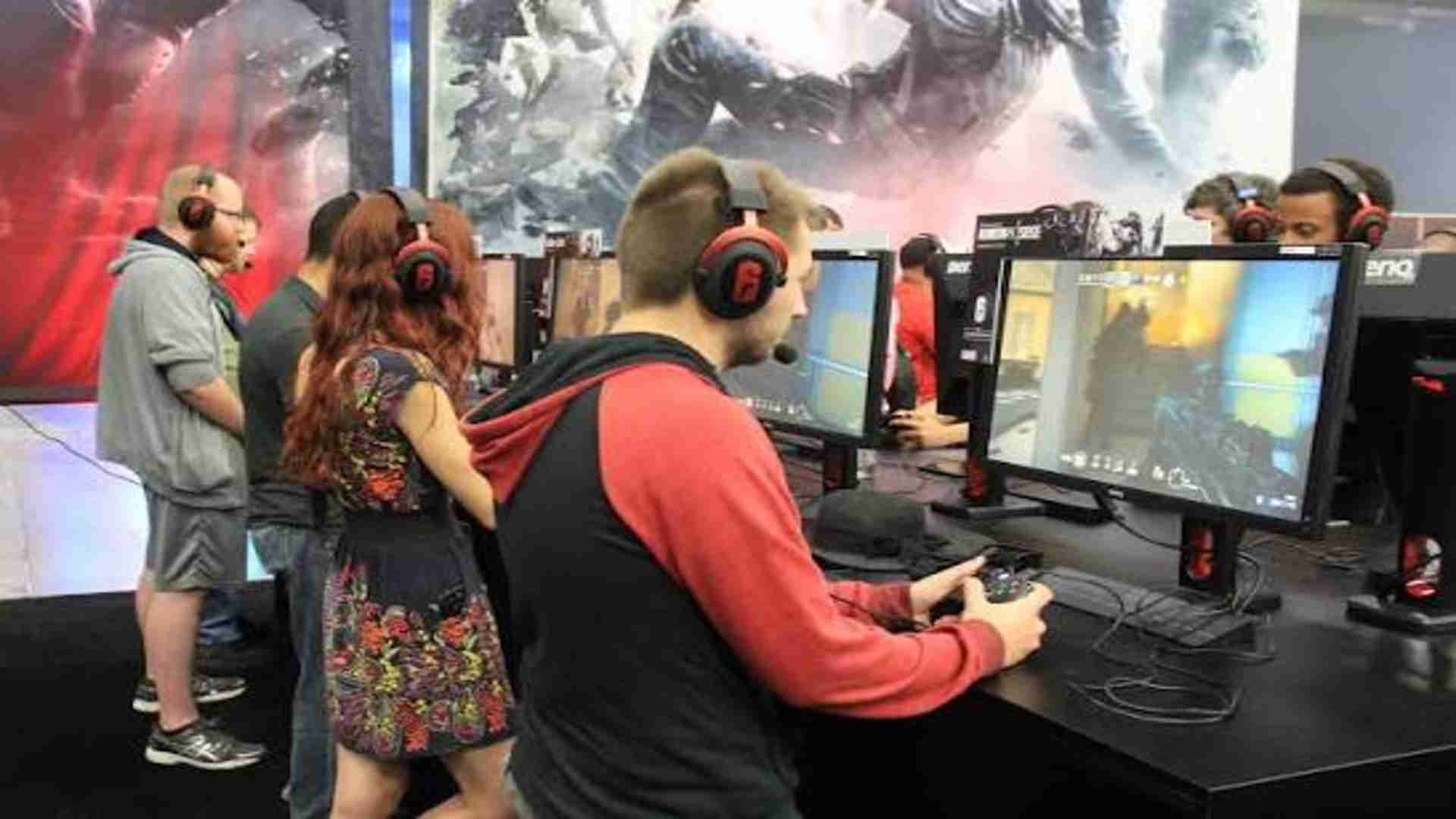
The gaming industry has shifted remarkably toward experiences that bring people together, creating deeply immersive shared journeys. Modern multiplayer titles are moving past traditional competitive formats to deliver narrative-rich digital environments where exploration and cooperation take center stage. These interactive spaces allow friends to explore vast worlds together, making joint decisions that actively shape their shared gameplay paths.
The Evolution of Shared Journeys
Traditional cooperative games often relied on linear progression systems that limited how players interacted with the environment and each other. Modern game design, however, prioritizes dynamic mechanics that encourage teams to communicate and experiment creatively during active campaigns. This evolution ensures that every expedition feels unique, offering participants fresh challenges every time they log into the system.
By integrating complex puzzles and unexpected plot twists, developers have successfully transformed simple gaming sessions into memorable group milestones. Players must pool their individual skills to overcome structural hurdles and discover hidden secrets scattered across expansive virtual maps. This collective approach to narrative progression builds deep bonds among gaming communities worldwide.
Dynamic Systems and Player Choices
Interactive campaign modes thrive on giving participants genuine agency over how their digital stories unfold. Instead of following a predetermined path, teams must weigh the consequences of their actions and choose strategies that align with their shared goals. These meaningful decisions alter the virtual landscape, creating diverse gameplay outcomes and high long-term replay value.
To get started on your next collaborative journey, you can access the login situs m88 platform to explore various online options. Engaging with modern hubs helps players stay connected with the latest tools designed for robust community interaction across multiple genres. This seamless integration of platform access and social play elevates the overall enjoyment of tactical team challenges.
Building Stronger Team Dynamics
Navigating complex environments together requires more than just mechanical skill; it demands real-time coordination and open dialogue. Groups that invest time in discussing their operational tactics generally experience higher immersion levels and smoother overall gameplay. These cooperative habits naturally reduce the stress often associated with rigid competitive environments.
Furthermore, flexible team roles allow participants to adapt their playing styles based on the specific needs of the current mission. Whether providing tactical support or leading a frontal exploration, every individual contributes uniquely to the group success. This inclusive structure ensures that players of all experience levels can find a meaningful role within the team.
The Future of Multiplayer Expeditions
As digital technology continues to advance rapidly, the potential for deeply connected online worlds becomes virtually limitless. Future titles are expected to merge artificial intelligence with dynamic storytelling systems to generate unpredictable adventure scenarios. This advancement will allow community driven groups to encounter highly specialized quests tailored to their specific choices.
The ongoing commitment to building safe, interactive spaces ensures that multiplayer campaigns will remain an important pillar of entertainment. By focusing on shared achievements rather than individual high scores, these games continue to foster positive social capital across different cultures. The journey ahead promises even greater innovation for enthusiasts seeking the ultimate cooperative escape.